DALLAS-FORT WORTH CHIMNEY FLASHING
Most chimney leaks start at the flashing, the metal seal between your brick and your shingles. If the roof is safe to walk that day, I photograph what is actually up there, text you the pictures, and give you a written estimate.
Name, mobile number and ZIP.
By submitting, you agree that One Local Chimney may call or text you about this request. Message and data rates may apply. Consent is not a condition of purchase. Reply STOP to opt out. Privacy Policy.
Rated 5.0 by One Local Chimney customers · Read the reviews on Google
“Everything was done well and as promised. He was prompt, professional, and very efficient! His work was outstanding.”John T. · Google review
“Mike was super professional and honest. He came out, inspected everything carefully, and explained the issue in a way that made sense. The work was done clean and on time.”Khristina A. · Google review
Chimney flashing is the metal seal between your chimney and roof. When it fails, water leaks into your home causing damage to walls, ceilings, insulation, and framing. Flashing problems are one of the most common causes of chimney-related water damage in Dallas-Fort Worth homes, especially after severe Texas storms.
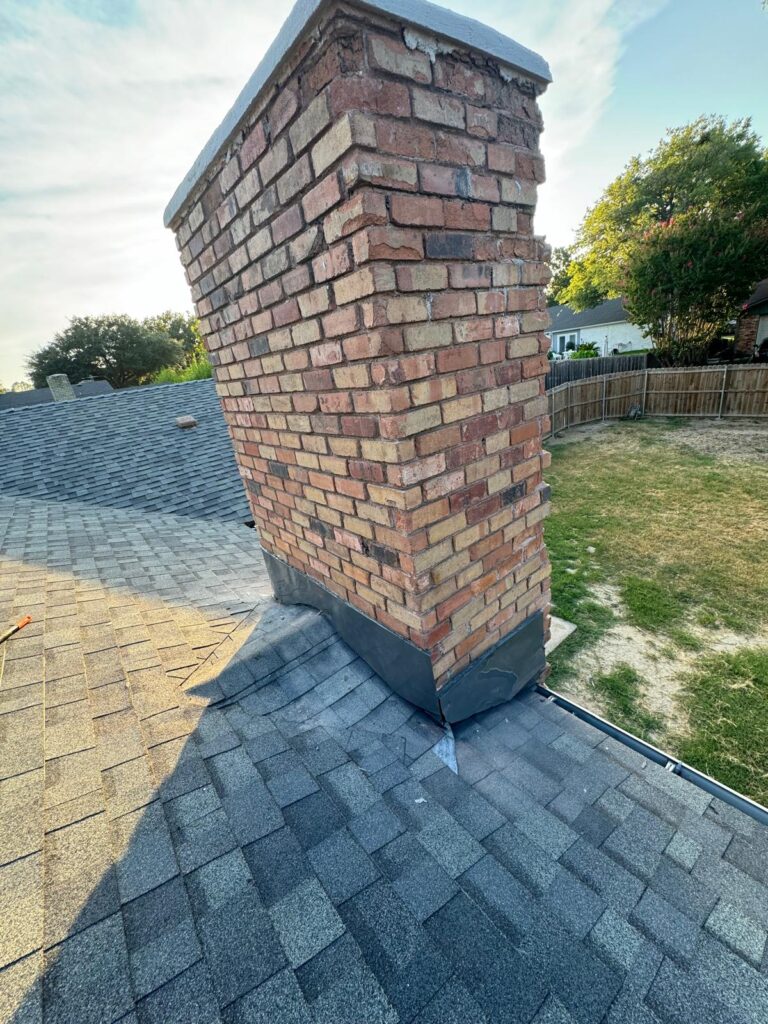
Common signs that your chimney flashing needs repair include water stains on the ceiling near your chimney, damp or musty smells in your attic, crumbling mortar around the chimney base, and visible gaps or rust on existing flashing. If you notice any of these warning signs, do not delay – water damage gets worse quickly and can lead to costly structural repairs.
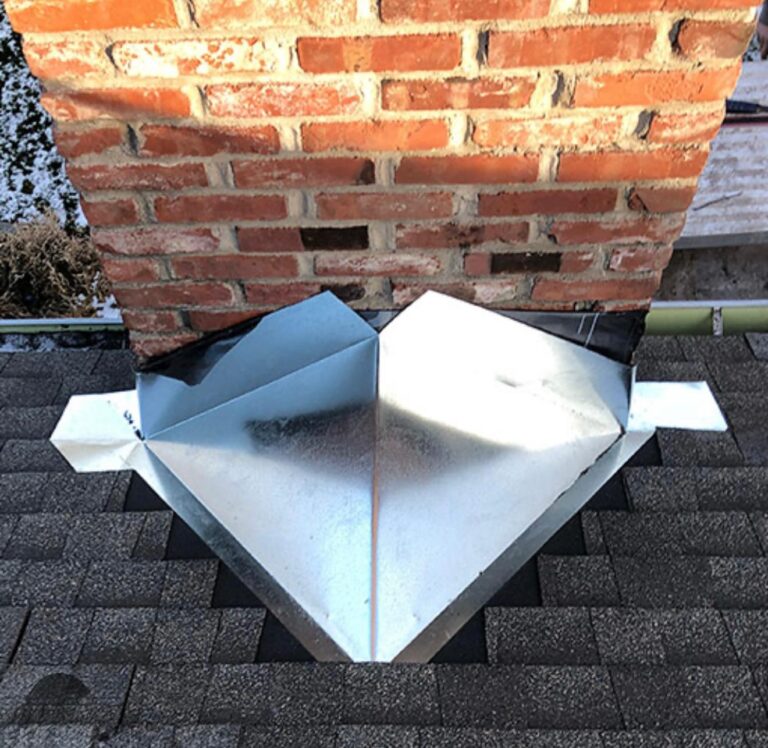
We use step flashing and counter-flashing techniques that create a watertight seal between your chimney and roof deck. Our flashing materials include galvanized steel, aluminum, and copper options – each selected based on your roof type and local building codes. North Texas weather with its extreme heat, sudden storms, and hail makes proper chimney flashing repair essential for every home in the Dallas-Fort Worth area.
One Local Chimney installs and repairs chimney flashing using durable materials, properly sealed with high-grade roofing cement and counter-flashing embedded in mortar joints. Our work follows NFPA 211 standards.
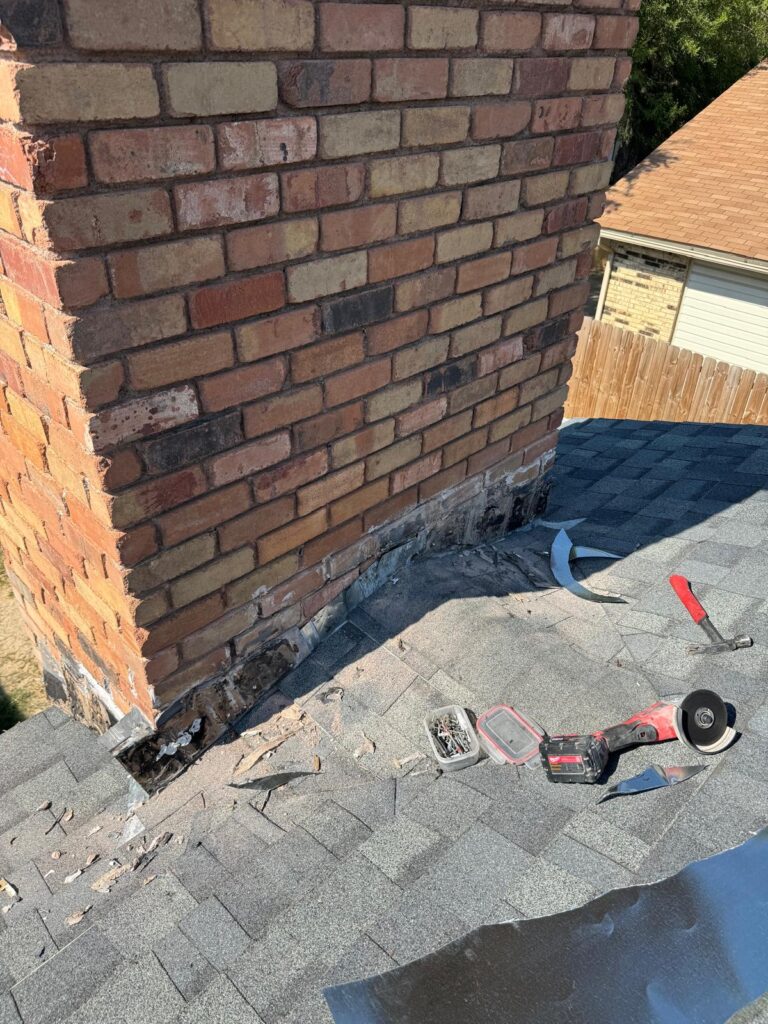
Identify failed or deteriorated flashing.
Carefully remove old flashing without damaging roof.
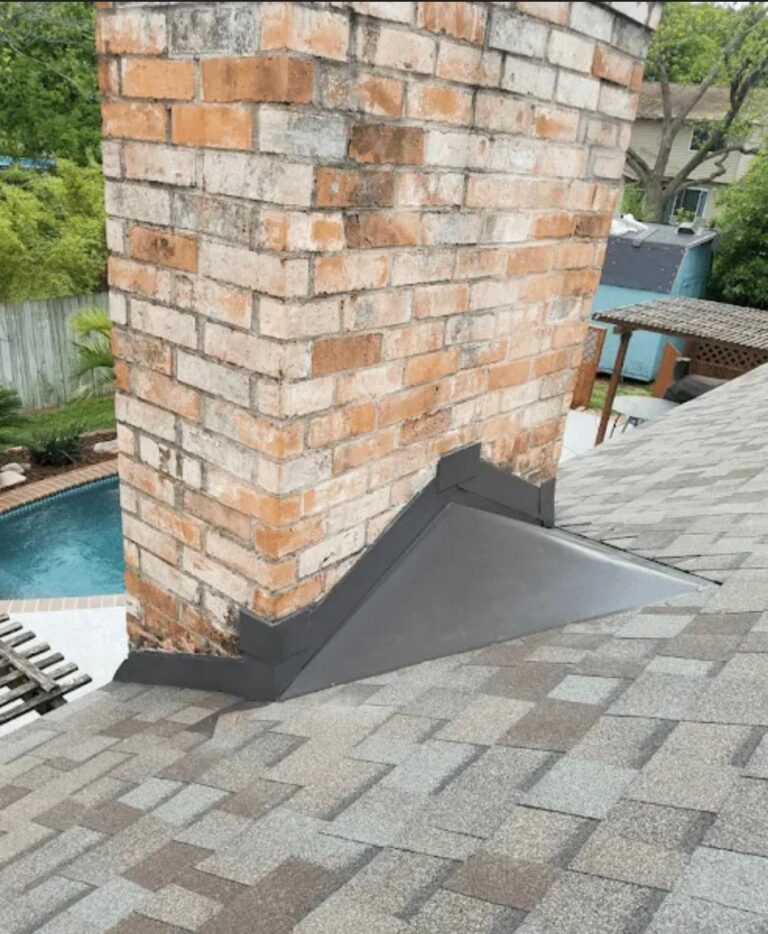
Install new step and counter flashing.
Apply premium sealants for watertight protection.
Water stains on ceiling near chimney, visible gaps or rust on flashing, or water in attic near chimney.
Gallery
Common Questions
The flashing sits right on the line between the two trades, which is why homeowners get bounced back and forth. I handle the flashing itself — the metal at the chimney base and the mortar joint behind it. If I get up there and the water is coming from failed shingles or a bad valley several feet away, I will tell you that is a roofer’s job and I won’t sell you flashing you don’t need.
Sometimes, when the metal underneath is sound and properly fastened and only the sealant has failed. Often it can’t, because what is up there was never installed right to begin with, and caulk smeared over it splits again in the Texas heat. You will have the photos before I tell you which one you have.
From the ground you don’t, and neither do I. Water runs along framing and shows up on a ceiling nowhere near where it got in, and the crown, the cap, the brick and the roof itself can all put it there. That is why I go up, photograph the whole area including the parts that are fine, and send you the pictures before I say a word about work.
Contact us for a free inspection and estimate. Serving all of DFW.