DALLAS-FORT WORTH CHIMNEY LINER
If your flue is unlined, cracked, or too big for the appliance it serves, exhaust can end up where you live instead of outside. I photograph the inside of your flue, show you what is there, and put the work in a written estimate.
Name, mobile number and ZIP.
By submitting, you agree that One Local Chimney may call or text you about this request. Message and data rates may apply. Consent is not a condition of purchase. Reply STOP to opt out. Privacy Policy.
Rated 5.0 by One Local Chimney customers · Read the reviews on Google
“Everything was done well and as promised. He was prompt, professional, and very efficient! His work was outstanding.”John T. · Google review
“Mike was super professional and honest. He came out, inspected everything carefully, and explained the issue in a way that made sense. The work was done clean and on time.”Khristina A. · Google review
Your chimney liner is the critical barrier between combustion gases and your home. A cracked or missing liner can allow combustion products and heat to reach parts of the chimney structure.
One Local Chimney installs stainless steel chimney liner options selected for the existing chimney, appliance, and observed condition. The right liner can support draft performance and help isolate combustion products from the chimney structure.
Camera inspection of existing liner condition.
Calculate proper liner size for your appliance.
Professional chimney liner installation with insulation.
Verify proper draft and seal.
Signs include clay tile pieces in firebox, poor draft, or failed video inspection showing cracks.
With proper care, 15-25 years or more.
Gallery
Common Questions
A chimney liner contains combustion products and directs them outside. It protects chimney walls from heat and corrosion, improves drafting efficiency, and helps support proper venting and operation.
Signs include pieces of clay tile in the firebox, moisture or staining on chimney walls, poor draft performance, and a camera inspection showing cracks or gaps.
The three main types are clay tile (traditional, affordable), stainless steel (durable, versatile, most recommended), and cast-in-place (poured cement for damaged flues). Stainless steel offers the best performance and value.
Flue Protection
A chimney liner is a protective tube installed inside your chimney flue to contain combustion byproducts and protect your home. It creates a properly sized, smooth channel for gases to exit safely while protecting your chimney structure from heat and corrosive damage that could lead to fires.
Modern chimneys use three main liner types: clay tile (traditional, durable but can crack), stainless steel (most common, resistant to corrosion), or cast-in-place (seamless, perfect for irregular flues). Each offers different longevity, cost, and protection benefits for your specific needs.
Dallas-Fort Worth homes experience heat, temperature swings, and moisture. Liner size and material should be selected for the existing chimney, appliance, and observed condition.
Warning Signs
Cracked, deteriorating, or missing clay tiles inside your flue indicate a failing liner that needs replacement. You might notice debris falling into the fireplace, visible cracks when looking up the chimney, or a strong smoky smell indicating improper draft and dangerous gas leakage.
A damaged chimney liner allows carbon monoxide and combustion gases to seep into your home, creating serious health risks for your family. Proper liners prevent these gases from entering living spaces and ensure safe, efficient fireplace or stove operation throughout the heating season.
A damaged or incorrectly sized liner can affect draft and chimney condition. Inspection helps determine whether repair or replacement is appropriate. Any local requirements for a specific project should be confirmed before work.
Expert Installation
We start with a thorough chimney inspection using video technology to assess your current liner condition, measure internal dimensions, and identify any structural issues. I determine the best liner type and size for your specific chimney configuration and heating appliance.
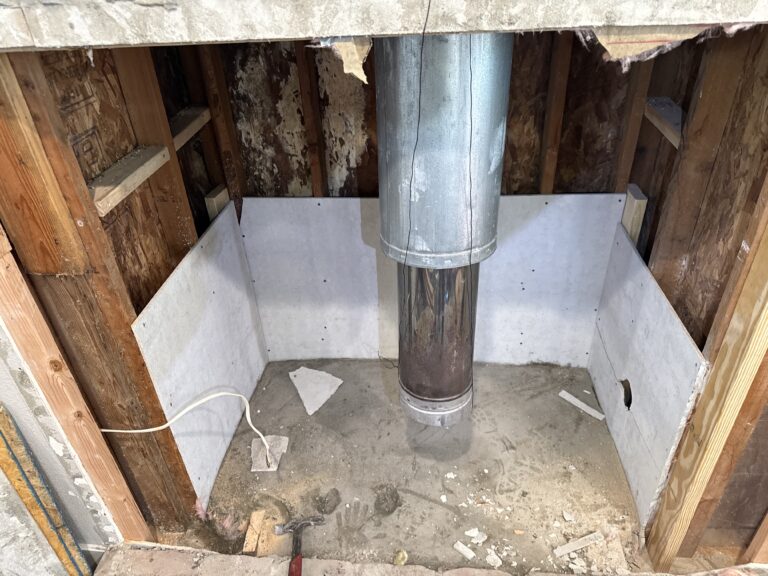
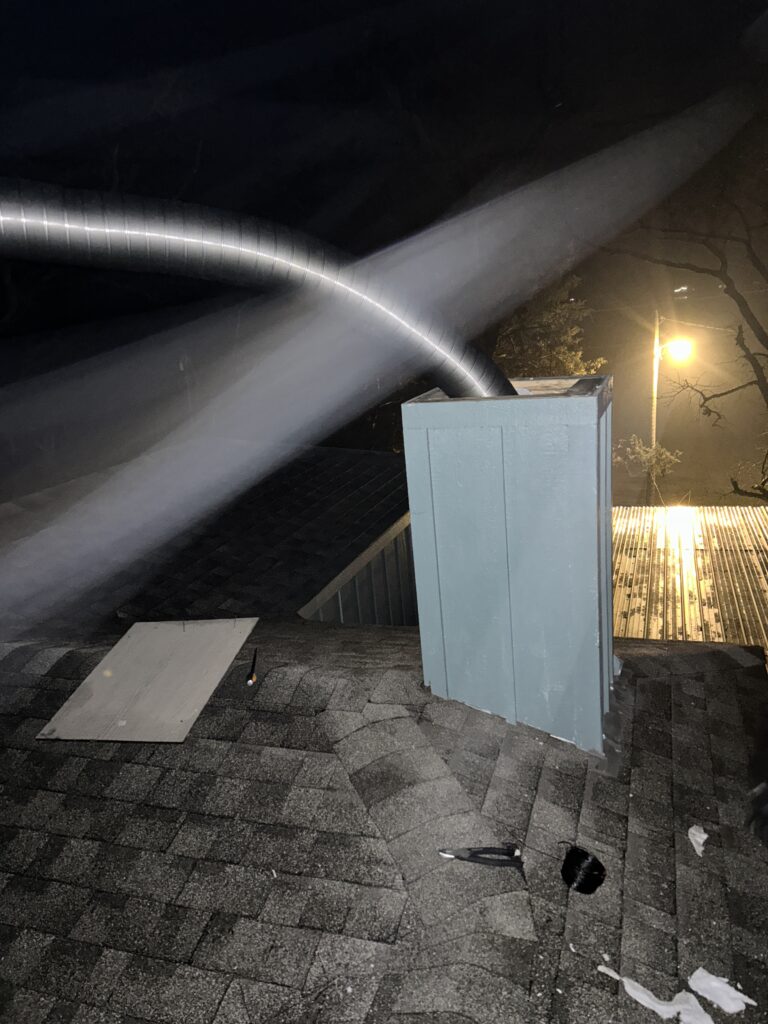
Installation involves carefully running the new liner down your chimney, securing it at the top, and sealing all connections to prevent gas leakage. We clean your chimney completely, remove old liner debris, and ensure proper airflow and draft before finishing the job and testing system performance.
We use stainless steel and cast-in-place liner options from established manufacturers. Any applicable manufacturer and workmanship warranty terms are provided in writing with the estimate. Call (214) 300-5295 for a free inspection.
Contact us for a free inspection and estimate. Serving all of DFW.