DALLAS-FORT WORTH CHIMNEY WATERPROOFING
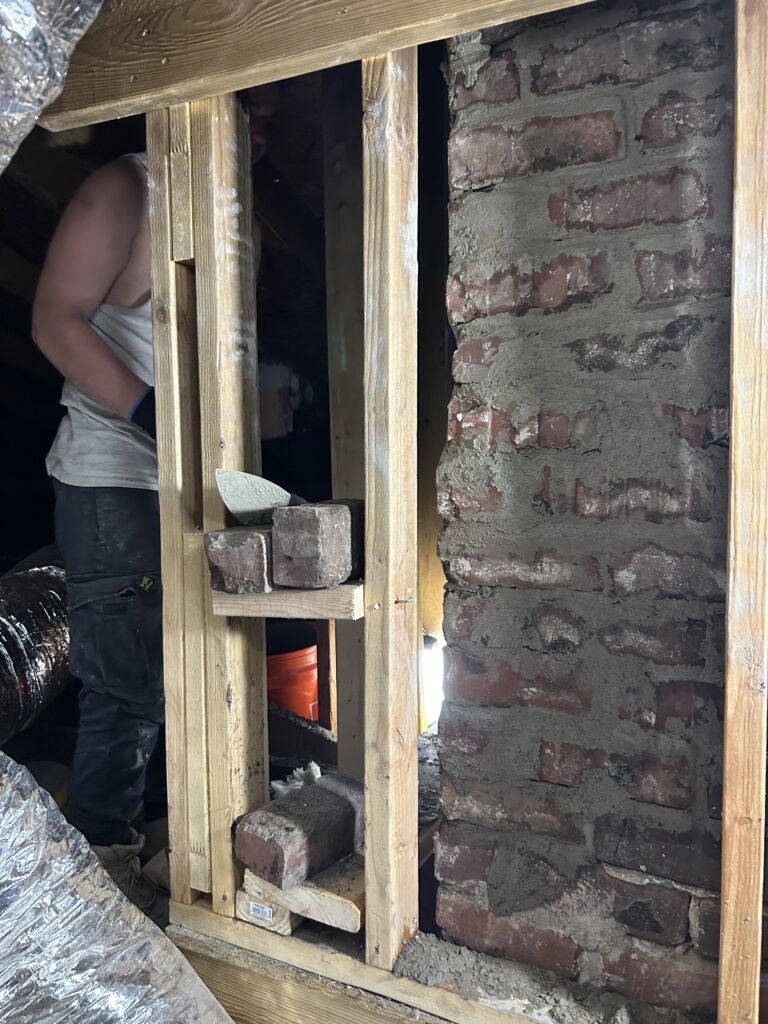
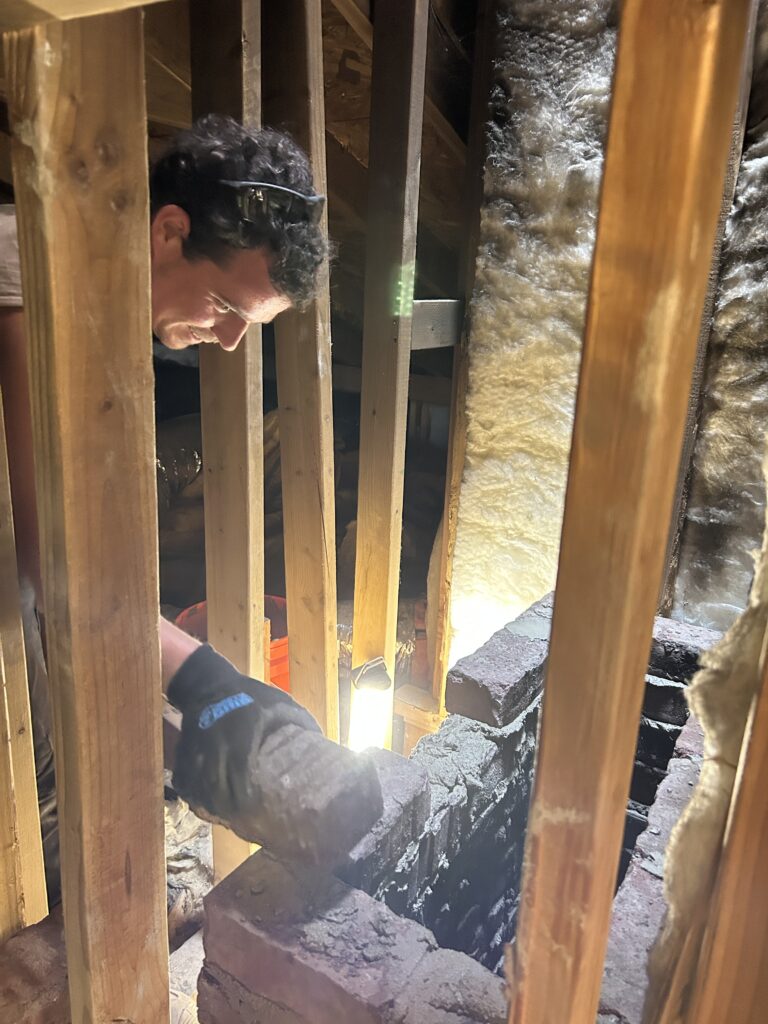
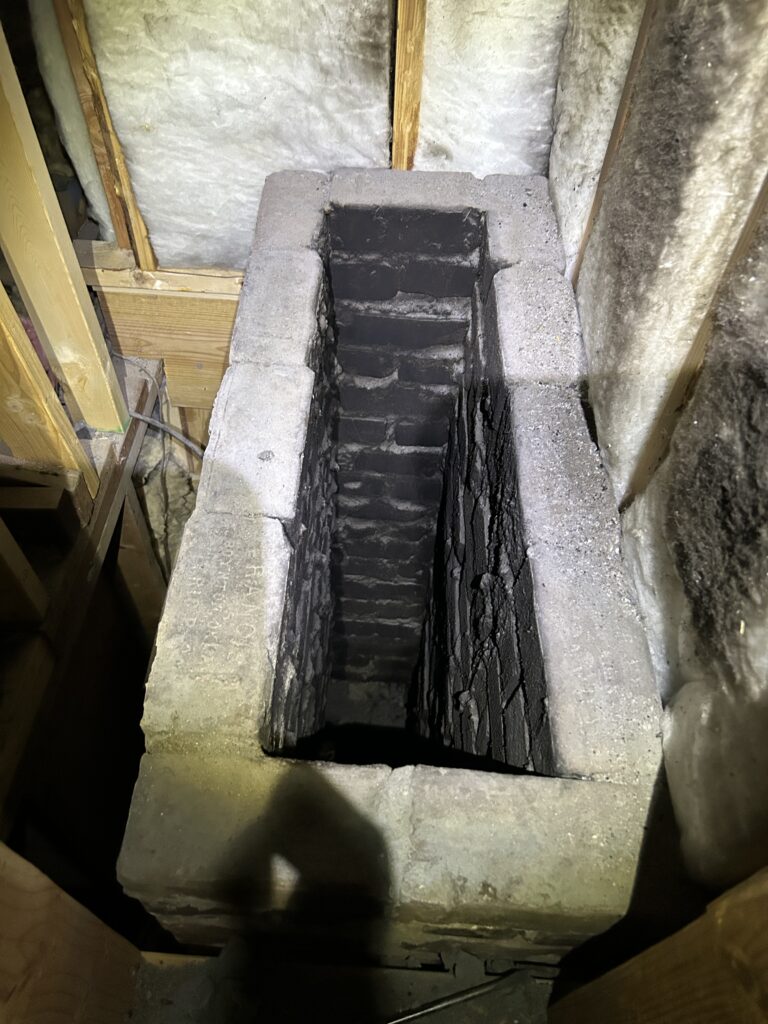
Brick soaks up water, and so do open mortar joints, the crown, and the joint where your chimney meets the roof and wall. I photograph each one, show you what I would seal, and put it in a written estimate.
Name, mobile number and ZIP.
By submitting, you agree that One Local Chimney may call or text you about this request. Message and data rates may apply. Consent is not a condition of purchase. Reply STOP to opt out. Privacy Policy.
Rated 5.0 by One Local Chimney customers · Read the reviews on Google
“Everything was done well and as promised. He was prompt, professional, and very efficient! His work was outstanding.”John T. · Google review
“Mike was super professional and honest. He came out, inspected everything carefully, and explained the issue in a way that made sense. The work was done clean and on time.”Khristina A. · Google review
Water is the number one cause of chimney damage in Dallas-Fort Worth. Brick and mortar absorb rain, then the freeze-thaw cycle expands it and opens the masonry from the inside out.
Sealing covers several different jobs, and which one you need depends on where the water is getting in: sealing the crown on top, filling open mortar joints, applying a breathable water repellent to the brick face, and sealing the joint where the chimney meets the roof and wall. I check all of them, photograph what I find, and quote only the work that will actually stop the water. If the crown is cracked through or the flashing has failed, sealing will not hold – that gets a crown repair or flashing replacement first.
Find where water is entering and photograph it.
Clean the surfaces so the sealer bonds properly.
Apply a breathable sealer to the areas that need it.
Let it cure in dry weather for full protection.
Sealing fills cracks, gaps and open mortar joints. Waterproofing coats the masonry face with a breathable repellent so rain sheds off but trapped moisture can still escape. Most chimneys need both, and I will tell you which parts of yours do.
Gallery
Common Questions
The crown on top, the mortar joints, the brick and masonry face, and the joint where the chimney meets the roof and wall. Which of those you actually need depends on where the water is getting in, so I check all of them and show you photos before quoting.
A quality masonry sealer typically lasts several years in North Texas weather. Chimneys that take direct sun and driving rain need it sooner. I will tell you honestly if yours does not need it yet.
Sometimes. If water is soaking through porous brick or open mortar joints, sealing solves it. But if the crown is cracked through, the flashing has failed, or the cap is missing, sealing over the top will not stop the leak – those get fixed first.
Contact us for a free inspection and estimate. Serving all of DFW.