 Licensed & Insured |
  Free Written Estimates
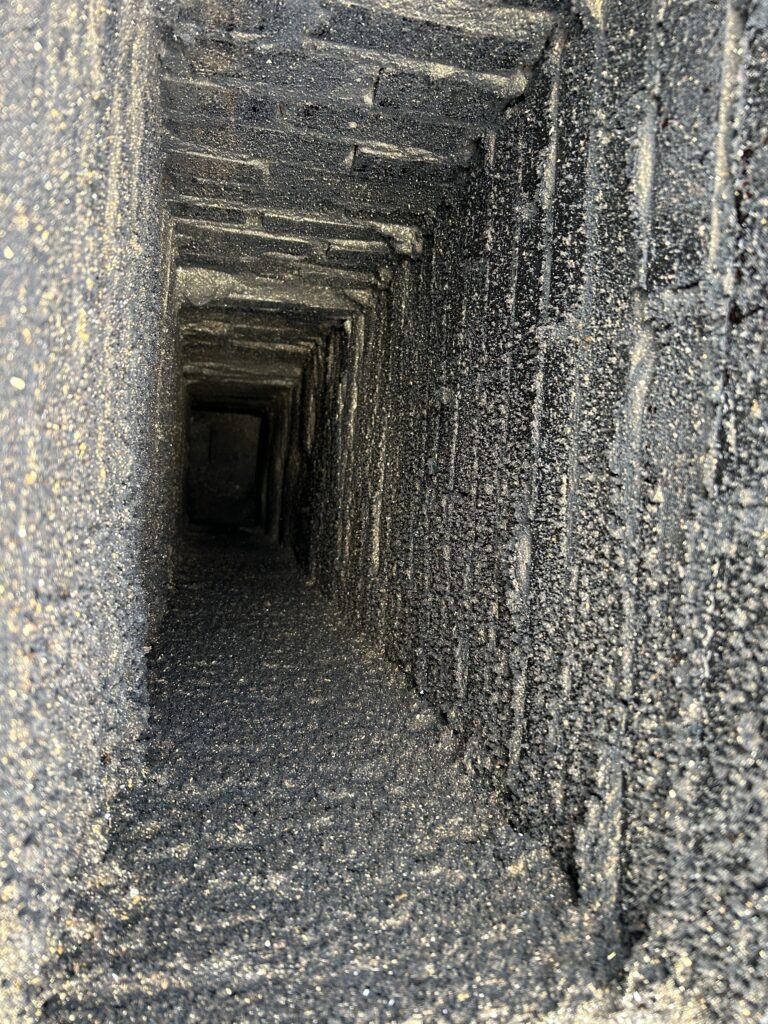
If you are searching for information about creosote buildup chimney, this guide covers everything you need to know.
What Is Creosote and How Does It Form?
Creosote is a dark, tar-like substance that accumulates on the interior walls of your chimney when you burn wood. It forms when combustion byproducts, including smoke, gases, and unburned wood particles, rise through the chimney and condense on the cooler interior surfaces. Over time, this buildup becomes a serious fire hazard that puts your home and family at risk.
The Three Stages of Creosote
Creosote develops in three increasingly dangerous stages. In the first stage, it appears as a light, flaky soot that is relatively easy to remove with regular chimney sweeping. Stage two creosote is a shiny, tar-like substance that has hardened on the chimney walls. It is more difficult to remove and requires professional cleaning tools. Stage three creosote is the most dangerous form. It appears as a thick, glazed coating that is extremely difficult to remove and is highly concentrated fuel that can ignite at temperatures as low as 451 degrees Fahrenheit.
Why Creosote Fires Are So Dangerous
A chimney fire caused by ignited creosote can reach temperatures exceeding 2,000 degrees Fahrenheit, according to the NFPA. At these extreme temperatures, the fire can crack chimney tiles, damage mortar joints, and even spread to the wooden framing of your home. Some chimney fires burn slowly and go undetected, silently causing structural damage that creates an even greater risk for future fires.
Reducing Creosote Buildup
Several practices can help minimize creosote accumulation. Always burn seasoned hardwood that has been dried for at least six months. Ensure adequate airflow by fully opening the damper before lighting a fire. Avoid smoldering fires, as incomplete combustion produces more creosote. Never burn treated wood, cardboard, or trash in your fireplace, as these materials produce excessive smoke and accelerate buildup.
The Importance of Professional Removal
While stage one creosote can be addressed during a standard chimney sweep, stage two and three deposits require specialized tools and techniques for safe removal. Attempting to remove advanced creosote without proper training can damage your flue liner or, worse, dislodge material that ignites. A chimney professional has the equipment and the experience to safely clean all stages of creosote.
Protect Your Family Today
Do not wait until you smell smoke or notice warning signs to address creosote buildup. I use professional-grade equipment to thoroughly clean your chimney and look at the condition of your flue liner. I serve Dallas, Fort Worth, Plano, Frisco, Arlington and the rest of the DFW Metroplex, and I do every job myself. Call 214-300-5295 to schedule your chimney cleaning.
Stages of Creosote Buildup
Understanding creosote progression helps explain why regular cleaning matters. Stage 1 appears as flaky, loose deposits – easily removed with standard chimney brush. Stage 2 forms tar-like, sticky substance that adheres to chimney walls and requires more aggressive cleaning. Stage 3 is most dangerous: glazed, hard creosote that cannot be removed by standard brushing. This stage significantly increases chimney fire risk and often requires specialized equipment or professional remediation.
How to Minimize Creosote
Prevention is more effective than dealing with creosote problems. Burn seasoned wood with moisture content below 20% – wet wood creates more creosote. Maintain proper airflow by ensuring your damper opens fully and your chimney is not blocked. Annual professional cleaning removes Stage 1 and 2 creosote before it becomes problematic. Hot fires that reach proper draft temperature also produce less creosote than smoldering, low-temperature fires.
Ready to schedule? One Local Chimney serves 18 DFW cities, and it is just me on the truck. Call (214) 300-5295 or send me a message and I will get back to you.